
Exosome and Stem Cell Therapy in Miami: Your Complete Guide
Regenerative medicine is no longer a futuristic concept. Thousands of Miami residents are exploring exosome and stem cell therapy to address joint pain, skin aging, hair loss, and systemic inflammation. But choosing the right provider matters enormously. The difference between a physician-supervised clinic and a pop-up wellness shop can determine your safety and your results. This guide breaks down what exosome and stem cell therapy actually involve, what the latest research says, and what to look for in a Miami provider so you can make a confident decision.
What Are Exosomes?
Exosomes are tiny extracellular vesicles, typically 30 to 150 nanometers in diameter, released by cells to carry proteins, lipids, and genetic material to other cells. They function as intercellular messengers, delivering regenerative instructions without transplanting whole cells. According to a 2024 review in Biomolecules, stem cell-derived exosomes inherit the regenerative properties of their parent cells, making them valuable tools in regenerative medicine.
In a clinical setting, exosomes are typically derived from mesenchymal stem cells (MSCs) and delivered via injection or IV infusion. Their small size allows them to cross biological barriers that whole cells cannot, potentially reaching damaged tissue more efficiently.
Common Uses of Exosome Therapy
- Joint and cartilage repair for osteoarthritis
- Skin rejuvenation and collagen stimulation
- Hair restoration
- Systemic anti-inflammatory support
Learn more about how Alive Miami applies exosome therapy on our exosome therapy in Brickell page.
Stem Cell Therapy Basics
Stem cell therapy is a regenerative treatment that uses the body's own repair cells, or donor-derived cells, to promote healing in damaged tissues. Stem cells are undifferentiated cells capable of developing into many specialized cell types. They have been studied extensively for orthopedic injuries, autoimmune conditions, and age-related degeneration.
At physician-led clinics like Alive Miami, stem cell protocols are administered under direct medical supervision with proper screening. This is critical because stem cell products vary widely in source, quality, and preparation method. A board-certified physician should always oversee the process from consultation through follow-up.
Exosomes vs. Stem Cells: Key Differences
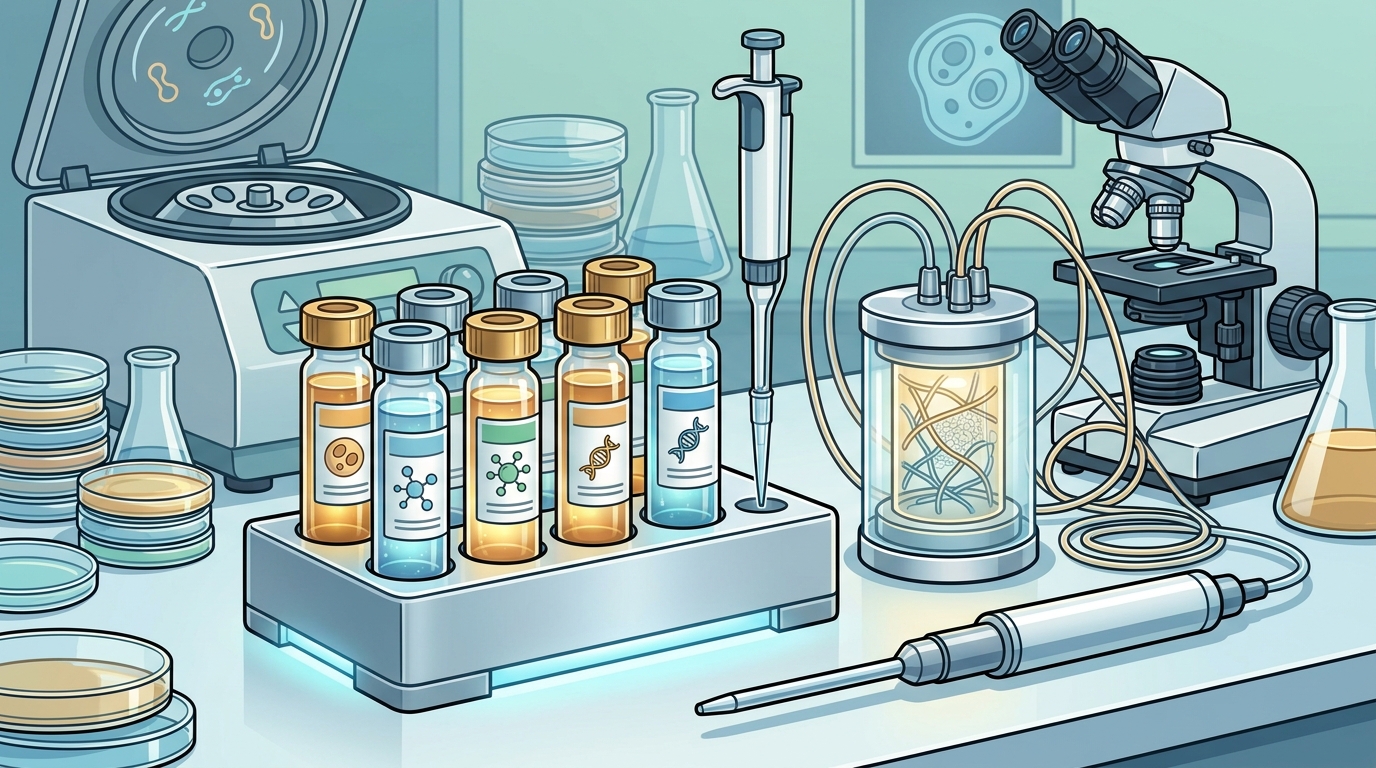
Understanding the differences helps you decide which approach fits your goals. Both therapies aim to promote tissue repair, but they work through different mechanisms.
| Factor | Exosome Therapy | Stem Cell Therapy |
|---|---|---|
| What it is | Cell-free vesicles carrying regenerative signals | Live cells that differentiate and repair tissue |
| Immune risk | Very low (non-immunogenic) | Low to moderate depending on source |
| Tumorigenic potential | Minimal | Low but present |
| Delivery methods | IV, injection, topical with microneedling | Injection, IV |
| Storage | Easier to store and transport | Requires careful handling |
| Research stage | Early clinical and preclinical | More established clinical data |
A 2024 paper published in Biomolecules notes that exosome therapy offers benefits such as easy transport and storage with no risk of immunological rejection. For patients who want regenerative support without transplanting live cells, exosomes may be a compelling option.
What the Latest Research Says
The global exosome market is growing rapidly. Industry analysts forecast global exosome revenues will grow from approximately USD 1.39 billion in 2025 to roughly USD 3.36 billion by 2034, according to HealthE1 Medical. That growth reflects expanding clinical applications and increasing physician confidence.
Joint and Cartilage Regeneration
Clinical research on knee osteoarthritis patients who received exosome injections derived from bone marrow stem cells showed significant pain reduction and improved joint function at six months, with MRI evidence of cartilage repair. Animal studies have shown exosomes can stimulate chondrocyte proliferation and inhibit cartilage breakdown.
Safety Profile
A 2024 NIH-archived meta-analysis reported a 0.7 percent serious-adverse-event rate across completed clinical trials, supporting exosome therapy's favorable safety profile. However, it is important to note that exosome therapy remains largely in the research or early clinical stage and is not yet a routine standard of care.
This is exactly why physician oversight matters. Clinics that offer diagnostic testing before regenerative treatments can better assess candidacy and monitor outcomes.
How to Choose a Provider in Miami
Miami has dozens of clinics advertising regenerative therapies. Not all are equal. Here is what to evaluate before booking a consultation:
Physician Credentials
Look for board-certified physicians, ideally in internal medicine or a related specialty, who directly oversee treatment. A nurse-only or technician-only operation is a red flag for advanced therapies like exosomes and stem cells.
Product Sourcing and Quality
Reputable clinics use exosomes purified through validated methods such as tangential-flow filtration and size-exclusion chromatography, sourced from GMP-compliant facilities. Ask about sourcing, lot testing, and quality verification.
Comprehensive Care Model
The best clinics combine regenerative services with complementary therapies. For example, pairing exosome therapy with peptide therapy or NAD therapy can support cellular repair from multiple angles. A clinic that also offers IV therapy and biohacking services shows breadth of expertise and resources.
Why Alive Miami Stands Out in Brickell
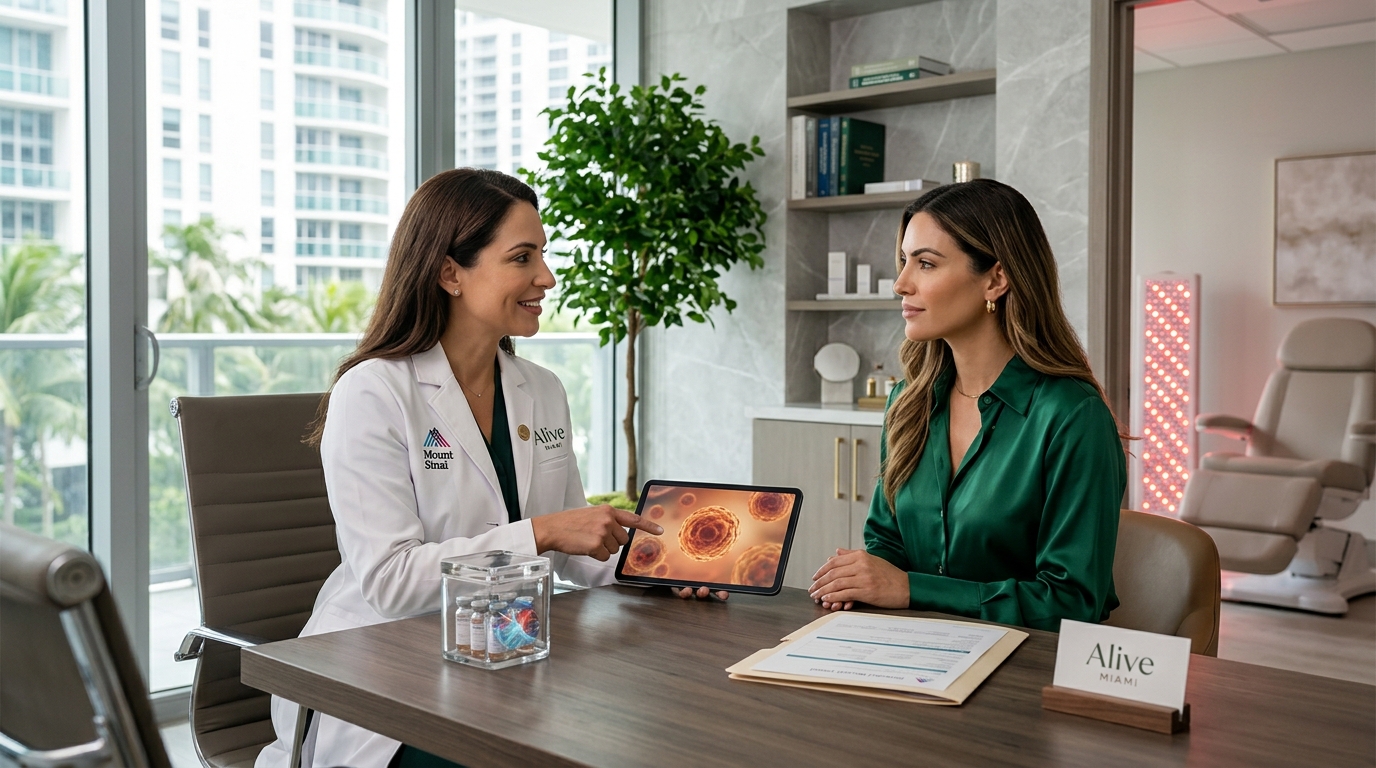
Alive Miami is a physician-led longevity and biohacking center located in Brickell, inside Mary Brickell Village. Two internal medicine physicians from Mount Sinai oversee all patient consultations and treatment protocols, setting it apart from typical medspas.
The clinic offers both exosome therapy and stem cell therapy as part of a broader regenerative medicine menu. Every patient begins with a free consultation, and same-day treatment starts are available for qualifying candidates. This is not an online-only or low-touch operation. You see a doctor, get assessed, and receive hands-on follow-up.
Alive Miami also provides complementary services that support regenerative outcomes, including hyperbaric oxygen therapy, red light therapy, and infrared sauna sessions. These modalities can enhance circulation, reduce inflammation, and prime tissues for better healing after exosome or stem cell treatments.
Key Takeaways
- Exosomes are cell-free vesicles that deliver regenerative signals without transplanting live cells.
- Stem cell therapy uses living cells to repair and regenerate damaged tissue directly.
- Exosome therapy carries a very low immunogenic risk and is easier to store than stem cells.
- A 2024 meta-analysis found only a 0.7% serious adverse event rate in exosome clinical trials.
- Always choose a physician-supervised clinic with verified product sourcing for regenerative treatments.
- Complementary services like NAD therapy, peptides, and hyperbaric oxygen can enhance regenerative outcomes.
- Alive Miami in Brickell offers both exosome and stem cell therapy under direct physician oversight with free consultations.
Frequently Asked Questions
What is exosome therapy?
Exosome therapy is a regenerative treatment that uses tiny extracellular vesicles derived from stem cells to deliver proteins, lipids, and genetic material that promote tissue repair and reduce inflammation.
Is exosome therapy FDA approved?
Exosome products are classified as biologics by the FDA. Most clinical applications are still in the research or early clinical stage. Reputable providers use products sourced from GMP-compliant facilities and follow proper regulatory guidelines.
What is the difference between exosomes and stem cells?
Exosomes are cell-free signaling vesicles, while stem cells are living cells that can differentiate into specialized tissue. Exosomes carry lower immunogenic and tumorigenic risk but are earlier in their clinical research journey.
How much does exosome therapy cost in Miami?
Costs vary by provider, treatment area, and protocol. At Alive Miami, a free consultation helps determine the right plan and provides transparent pricing before any treatment begins.
Who is a good candidate for stem cell therapy?
Patients with joint degeneration, chronic inflammation, soft tissue injuries, or age-related decline may benefit. A physician should evaluate your medical history, current medications, and diagnostic labs before recommending a protocol.
Can exosome therapy be combined with other treatments?
Yes. Many physicians pair exosome therapy with peptide therapy, NAD infusions, or hyperbaric oxygen to support recovery and amplify regenerative signaling across multiple pathways.
How do I find a reputable regenerative medicine clinic in Miami?
Look for board-certified physicians, transparent product sourcing, a comprehensive service menu, and in-person consultations. Avoid clinics that offer regenerative therapies without a physician evaluation.
Does Alive Miami offer free consultations for regenerative therapy?
Yes. Alive Miami provides free consultations for exosome therapy, stem cell therapy, and other regenerative services. You can book a telehealth consultation or visit the Brickell location in person.
Ready to Explore Regenerative Therapy in Miami?
If you are considering exosome or stem cell therapy in Brickell, the first step is a physician consultation. At Alive Miami, board-certified internal medicine doctors will evaluate your health goals, review your diagnostics, and recommend a personalized regenerative protocol. Book your free consultation today and take the first step toward advanced regenerative care in Miami.