

Obesity is no longer just a cosmetic concern but a recognized chronic disease affecting millions globally. According to the Centers for Disease Control and Prevention, more than 42% of adults in the United States are classified as obese, a statistic that highlights the urgent need for effective, medically supervised interventions. In the heart of Miami's financial district, residents are increasingly turning to clinical solutions that offer more than just diet advice. This guide explores the most effective medical weight loss options available in Brickell, focusing on evidence-based treatments that address the physiological roots of weight gain. (Blog Alive Miami)
Understanding Medical Weight Loss
Medical weight loss differs fundamentally from commercial diet programs. It is a structured, clinical approach that utilizes diagnostic testing, pharmaceutical interventions, and lifestyle coaching to achieve sustainable results. Unlike generic weight loss plans, this method requires a physician's oversight to ensure safety and efficacy. The goal is not merely rapid shedding of pounds but the restoration of metabolic health.
In Brickell, the demand for these services has surged as professionals seek efficient ways to manage their health amidst busy schedules. Clinical settings provide a safe environment for monitoring vital signs, adjusting dosages, and addressing potential side effects. This personalized care model ensures that each patient receives a protocol tailored to their unique biological profile.
GLP-1 and GCG Agonists
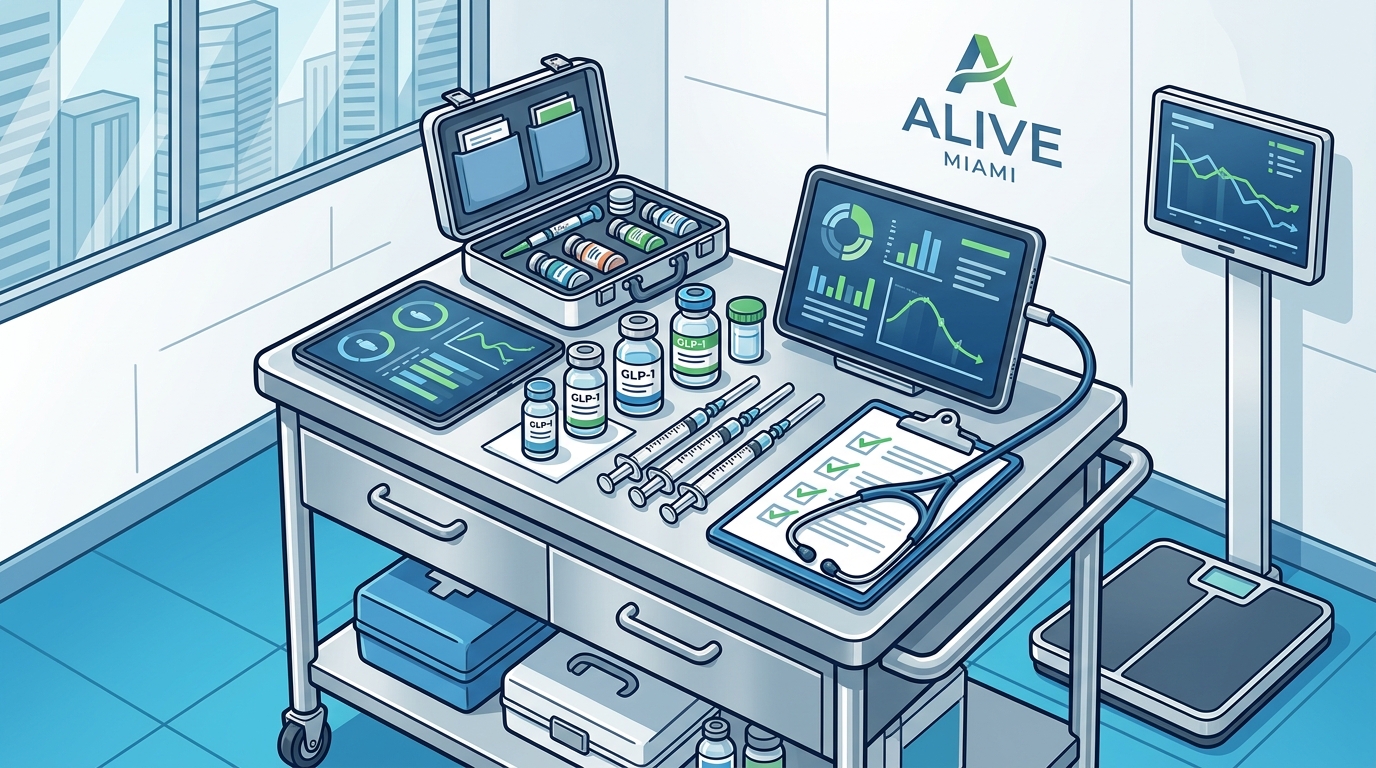
One of the most significant advancements in obesity treatment is the emergence of GLP-1 and GCG receptor agonists. These medications mimic hormones that regulate appetite and glucose metabolism. By slowing gastric emptying and signaling satiety to the brain, they reduce caloric intake significantly. Clinical trials have demonstrated that patients using these agents can achieve substantial weight reduction compared to placebo groups.
At specialized clinics in Miami, these treatments are often combined with nutritional guidance to maximize outcomes. The protocol typically involves a gradual titration of dosage to minimize gastrointestinal side effects. Patients must undergo regular blood work to monitor kidney function and other metabolic markers. This rigorous monitoring ensures that the treatment remains safe and effective over time.
Metabolic Optimization and IV Therapy
Metabolic health is the cornerstone of sustainable weight management. When the body's energy production systems are impaired, weight loss becomes exponentially difficult. IV therapy offers a direct route to replenish essential nutrients that support mitochondrial function. By bypassing the digestive system, intravenous delivery ensures 100% bioavailability of vitamins and minerals.
Key components often include B-complex vitamins, magnesium, and amino acids that support liver detoxification. These treatments help reduce fatigue, which is a common barrier to exercise adherence. Furthermore, they support the body's natural ability to burn fat for fuel. Combining IV therapy with other modalities creates a synergistic effect that accelerates progress.
Hormonal Balance and HRT
Hormonal imbalances are a primary driver of stubborn weight gain in both men and women. Bioidentical Hormone Replacement Therapy (BHRT) addresses deficiencies in thyroid, estrogen, progesterone, or testosterone. When these hormones are optimized, the body's metabolic rate increases, and fat storage patterns improve. This is particularly relevant for individuals experiencing perimenopause or andropause.
Diagnostic testing is crucial to identify specific hormonal deficits. Once identified, bioidentical hormones are prescribed to restore physiological balance. This approach treats the root cause of weight gain rather than just the symptoms. Patients often report improved energy levels and mental clarity alongside their weight loss results.
Comparing Treatment Modalities
Selecting the right weight loss option depends on individual health profiles and goals. The table below outlines the primary clinical interventions available in Brickell.
| Treatment Modality | Mechanism of Action | Best For | Expected Outcome |
|---|---|---|---|
| GLP-1 Agonists | Appetite suppression and slowed digestion | High BMI with insulin resistance | Significant weight reduction |
| BHRT | Restoring hormonal equilibrium | Hormone-deficient individuals | Improved metabolism and energy |
| IV Therapy | Direct nutrient delivery | Low energy and nutrient deficiencies | Enhanced recovery and vitality |
| Biohacking Protocols | Optimizing cellular function | Performance-focused individuals | Optimized body composition |
Key Takeaways
- Medical weight loss requires clinical supervision to ensure safety and efficacy.
- GLP-1 agonists are highly effective for reducing appetite and improving insulin sensitivity.
- IV therapy supports metabolic function by delivering essential nutrients directly to the bloodstream.
- Hormonal imbalances often underlie resistant weight gain and require diagnostic testing.
- BHRT can restore metabolic rates in individuals with hormone deficiencies.
- A combination of therapies often yields the best long-term results.
- Regular monitoring is essential to adjust treatment plans as the body changes.
Frequently Asked Questions
Is medical weight loss safe?
Yes, when administered by licensed medical professionals. Clinical oversight ensures that dosages are appropriate and that any adverse reactions are managed promptly.
How long does it take to see results?
Results vary by individual. However, most patients begin to notice changes in energy and appetite within the first few weeks of treatment.
Do I need to exercise while on these treatments?
While not strictly mandatory, exercise enhances the effectiveness of medical weight loss protocols. It helps preserve muscle mass and improves cardiovascular health.
What is the difference between GLP-1 and BHRT?
GLP-1 agonists primarily target appetite and blood sugar regulation. BHRT focuses on correcting hormonal deficiencies that affect metabolism and body composition.
Are the treatments covered by insurance?
Coverage varies by provider and plan. Many patients pay out-of-pocket or use flexible spending accounts for these elective medical services.
Can I combine IV therapy with other treatments?
Absolutely. Combining IV therapy with pharmacological interventions can enhance nutrient absorption and support overall metabolic health.
What happens after I reach my goal weight?
Maintenance plans are crucial. Clinics typically provide ongoing support to help patients sustain their results and prevent weight regain.
Schedule Your Consultation
Taking the first step toward better health requires expert guidance. If you are ready to explore the best medical weight loss options in Brickell, contact a specialized clinic today. Professional assessment will determine the most effective protocol for your unique needs. Visit Alive Miami to book your initial consultation and begin your journey to a healthier, more vibrant life.