

Best Medical Weight Loss Options in Brickell
Obesity is no longer viewed as a simple failure of willpower but as a complex metabolic disorder requiring clinical intervention. According to the Centers for Disease Control and Prevention, more than 42% of adults in the United States are classified as obese, a statistic that highlights the urgent need for evidence-based medical solutions. In Brickell, the heart of Miami's healthcare innovation, residents have access to advanced biohacking and clinical weight loss protocols that go far beyond traditional dieting. This guide explores the most effective medical weight loss options available, detailing how clinical diagnostics, hormonal balance, and targeted therapies can accelerate your journey to sustainable health. (Blog Alive Miami)
The Diagnostic Foundation of Weight Loss
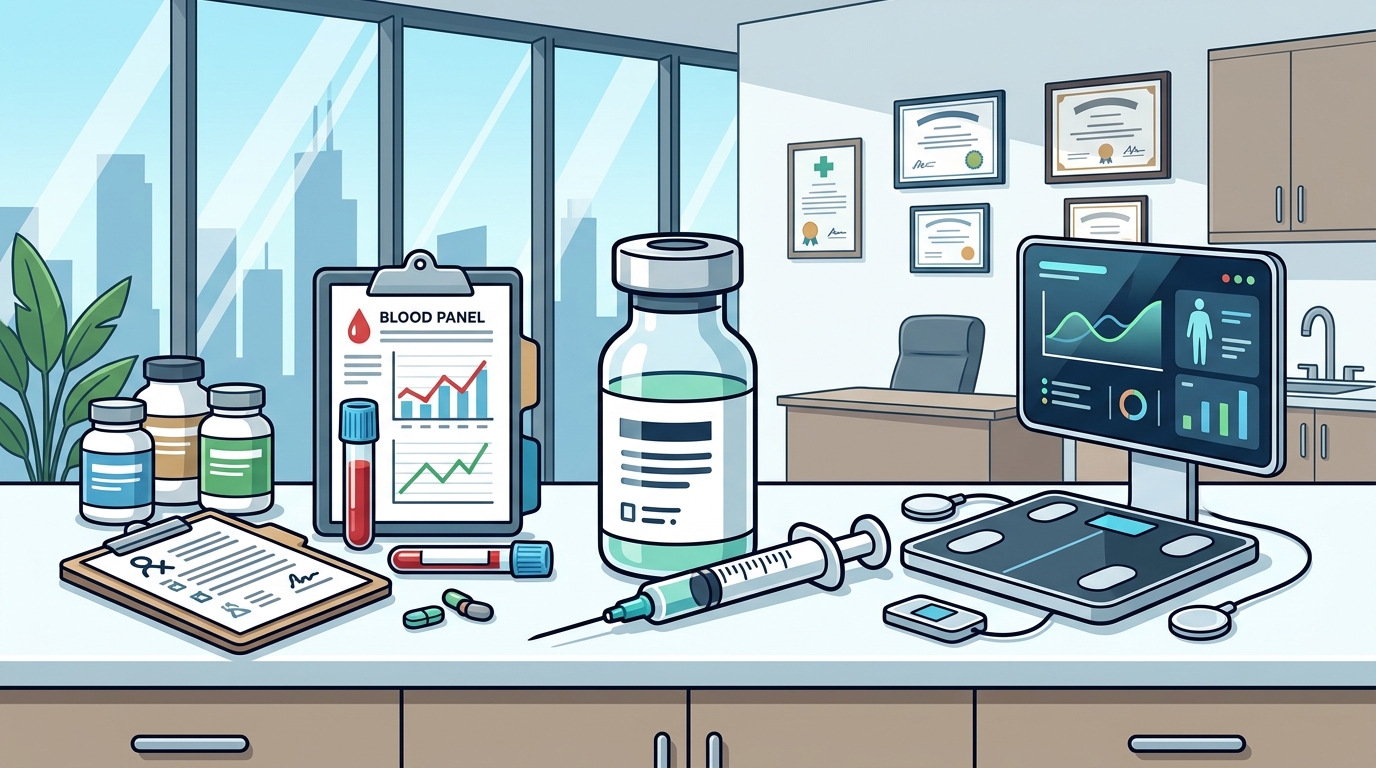
Effective weight loss begins with precision. Before initiating any treatment protocol, a comprehensive diagnostic assessment is required to identify the root causes of metabolic stagnation. This process involves analyzing blood work, hormonal panels, and body composition metrics to create a personalized roadmap. Without this data, weight loss efforts are often guesswork, leading to frustration and plateauing results.
At specialized clinics in Brickell, the approach to weight management is rooted in functional medicine. This means looking at the body as an interconnected system rather than isolating symptoms. For instance, insulin resistance may be driving weight gain even if caloric intake appears controlled. By identifying these underlying metabolic drivers, clinicians can prescribe targeted interventions that address the physiology of weight retention rather than just the symptom of excess mass.
Diagnostic testing also includes advanced imaging and metabolic rate assessments. These tools provide a baseline for tracking progress and adjusting protocols in real-time. This data-driven approach ensures that every intervention is justified by physiological evidence, maximizing the efficiency of your time and investment in your health.
GLP-1 Agonists and Pharmacotherapy
Pharmacotherapy has revolutionized the landscape of medical weight loss. Glucagon-like peptide-1 (GLP-1) agonists, such as semaglutide and tirzepatide, are currently among the most effective clinical tools for managing obesity. These medications mimic the hormone GLP-1, which plays a key role in regulating appetite and glucose levels. By slowing gastric emptying and signaling satiety to the brain, these drugs significantly reduce hunger cravings.
According to recent clinical trials, patients using GLP-1 agonists can achieve substantial weight reduction when combined with lifestyle modifications. These medications are not magic bullets but powerful adjuncts to a structured medical program. They are particularly effective for individuals who have struggled with traditional dieting due to hormonal imbalances or severe insulin resistance.
However, the use of these medications requires strict medical supervision. Dosage titration, monitoring for side effects, and long-term maintenance strategies are critical components of successful treatment. Clinics in Brickell offer comprehensive management plans that include regular check-ins and adjustments to ensure safety and efficacy. This medical oversight distinguishes clinical weight loss from over-the-counter supplements, providing a safer and more predictable path to results.
Bioidentical Hormone Replacement Therapy
Hormonal imbalances are a silent driver of weight gain for many individuals. As we age, the natural decline in hormones such as testosterone, estrogen, and thyroid hormones can slow metabolism and promote fat storage. Bioidentical Hormone Replacement Therapy (BHRT) addresses this by restoring hormone levels to a youthful, optimal range. This therapy uses hormones that are chemically identical to those produced by the human body, ensuring high bioavailability and minimal side effects.
For men, low testosterone levels are often linked to increased visceral fat and decreased muscle mass. BHRT can help restore lean body mass and boost metabolic rate, making it easier to burn fat. For women, hormonal fluctuations during perimenopause and menopause can lead to stubborn weight gain around the midsection. Restoring estrogen and progesterone balance can alleviate these symptoms and improve overall energy levels.
Thyroid function is another critical factor. Hypothyroidism slows down the body's metabolic processes, leading to fatigue and weight gain even with minimal food intake. By optimizing thyroid hormone levels through BHRT, patients can experience a significant boost in energy and a more efficient metabolism. This holistic approach to hormonal health ensures that weight loss is sustainable and supported by the body's natural regulatory systems.
Metabolic Optimization and IV Therapy
IV therapy has emerged as a powerful tool for metabolic optimization and weight loss support. By delivering vitamins, minerals, and amino acids directly into the bloodstream, IV therapy bypasses the digestive system, ensuring 100% absorption. This method is particularly effective for correcting nutrient deficiencies that can hinder metabolic function.
One of the most popular IV drips for weight loss is the Myers' Cocktail, which contains magnesium, calcium, B vitamins, and vitamin C. These nutrients play crucial roles in energy production and cellular metabolism. Additionally, specialized weight loss drips may include L-carnitine, which helps transport fatty acids into cells to be burned for energy. This direct delivery system provides an immediate boost to metabolic processes, supporting the body's natural fat-burning mechanisms.
Beyond IV therapy, other modalities such as red light therapy and PEMF (Pulsed Electromagnetic Field) therapy can enhance cellular energy production. Red light therapy stimulates mitochondrial function, increasing ATP production and improving cellular repair. PEMF therapy uses electromagnetic fields to restore cellular charge, promoting healing and metabolic efficiency. These non-invasive treatments complement pharmacotherapy and lifestyle changes, creating a comprehensive approach to weight loss.
Body Composition and Shockwave Therapy
Weight loss is not just about the number on the scale; it is about improving body composition. Shockwave therapy is a non-invasive treatment that uses acoustic waves to break down fat cells and stimulate tissue regeneration. This therapy is particularly effective for targeting stubborn fat deposits that are resistant to diet and exercise.
Shockwave therapy works by disrupting the cell membranes of adipocytes, causing them to release their contents. The body then naturally processes and eliminates these fats. Additionally, the treatment stimulates collagen production and improves blood flow, leading to tighter, more toned skin. This is especially beneficial for patients who have experienced significant weight loss and are concerned about loose skin.
Compression therapy is another valuable tool for enhancing lymphatic drainage and reducing inflammation. By using sequential compression devices, patients can improve circulation and reduce water retention. This helps to define muscle contours and improve overall body shape. When combined with other weight loss modalities, compression therapy accelerates recovery and enhances the aesthetic results of the treatment plan.
Clinical Weight Loss Modalities Comparison
Choosing the right weight loss strategy depends on individual needs, medical history, and specific goals. The table below compares the primary clinical weight loss options available in Brickell, highlighting their mechanisms, benefits, and ideal candidates.
| Modality | Mechanism of Action | Primary Benefit | Ideal Candidate |
|---|---|---|---|
| GLP-1 Pharmacotherapy | Mimics satiety hormones to reduce appetite | Significant weight reduction and appetite control | Individuals with insulin resistance or obesity |
| BHRT | Restores hormonal balance to optimize metabolism | Improved energy, muscle mass, and fat loss | Patients with hormonal imbalances or aging |
| IV Therapy | Direct nutrient delivery for metabolic support | Rapid nutrient absorption and energy boost | Those with nutrient deficiencies or fatigue |
| Shockwave Therapy | Acoustic waves break down fat cells | Targeted fat reduction and skin tightening | Patients with stubborn fat deposits |
Key Takeaways
- Diagnostic Precision: Effective weight loss requires a comprehensive diagnostic assessment to identify metabolic and hormonal root causes.
- GLP-1 Efficacy: GLP-1 agonists are highly effective for appetite control and weight reduction when used under medical supervision.
- Hormonal Impact: Bioidentical Hormone Replacement Therapy addresses hormonal imbalances that contribute to metabolic slowdown and fat storage.
- IV Support: IV therapy provides direct nutrient delivery to support metabolic function and energy production.
- Body Contouring: Shockwave and compression therapies enhance body composition by targeting stubborn fat and improving circulation.
- Holistic Approach: Combining multiple modalities yields the best results for sustainable weight loss and overall health.
- Medical Oversight: All clinical weight loss options require professional monitoring to ensure safety and efficacy.
Frequently Asked Questions
What is the first step in medical weight loss?
The first step is a comprehensive diagnostic assessment, including blood work and body composition analysis, to identify underlying metabolic issues.
Are GLP-1 medications safe for weight loss?
Yes, when prescribed and monitored by a qualified medical professional, GLP-1 medications are safe and effective for managing obesity.
How does BHRT help with weight loss?
BHRT restores hormonal balance, which can improve metabolism, increase muscle mass, and reduce stubborn fat storage associated with hormonal decline.
What is IV therapy for weight loss?
IV therapy delivers vitamins and nutrients directly into the bloodstream to support metabolic function, energy production, and nutrient absorption.
Can shockwave therapy replace exercise?
No, shockwave therapy is a complementary treatment that targets stubborn fat and improves skin tone, but it works best when combined with a healthy lifestyle.
How long does it take to see results from medical weight loss?
Results vary by individual, but many patients notice improvements in energy and appetite within weeks, with significant weight loss occurring over several months.
Is medical weight loss covered by insurance?
Coverage varies by provider and plan. Some aspects of diagnostic testing and medication may be covered, while others like IV therapy or cosmetic procedures may not be.
Schedule Your Consultation
Achieving your weight loss goals requires more than just willpower; it requires a scientifically backed, personalized medical plan. At Alive Miami, we combine cutting-edge diagnostics with advanced therapeutic modalities to help you reclaim your health. Whether you are interested in GLP-1 therapy, BHRT, or metabolic optimization, our team is here to guide you every step of the way. Book your consultation today and start your journey toward a healthier, more vibrant life.