

According to recent federal health reports, clinical interventions improve long-term weight reduction success rates by nearly forty percent compared to lifestyle changes alone. This statistical advantage drives thousands of residents toward structured medical programs each year. Clinics in the Brickell district now offer highly specialized protocols that combine diagnostic precision with advanced therapeutic modalities. Patients seeking sustainable results require transparent comparisons of these clinical pathways. This guide evaluates the most effective medical weight loss options available locally to help you select the optimal treatment framework.
Clinical Weight Management Programs
Clinical Weight Management is a structured medical protocol that utilizes diagnostic biomarkers and physician oversight to reduce adipose tissue safely. Programs begin with comprehensive metabolic panels and body composition scans. These baseline metrics establish precise caloric baselines and identify underlying metabolic inefficiencies. Physicians then design phased intervention schedules that adapt to your physiological feedback. This dynamic approach prevents metabolic adaptation and plateaus. Clinics in this district typically integrate continuous monitoring to adjust dosages and nutritional targets. Patients benefit from direct access to licensed practitioners who track progress weekly. This hands-on methodology significantly reduces the risk of rebound weight gain.
Peptide Therapy and Metabolic Regulation
Peptide Therapy is a targeted biochemical intervention that utilizes short amino acid chains to modulate metabolic pathways and appetite regulation. Research confirms that specific synthetic sequences mimic natural hormone signaling to enhance lipolysis. Clinics in the Brickell area frequently utilize GLP-1 receptor agonists alongside growth hormone secretagogues. These compounds work synergistically to preserve lean muscle mass while targeting visceral fat storage. Treatment protocols require careful titration to minimize gastrointestinal side effects. Physicians monitor blood glucose markers and adjust formulations based on individual tolerance. This precision ensures maximum efficacy without compromising daily energy levels. Many patients report improved satiety and reduced cravings within the first three weeks.
Intravenous Nutrition and Metabolic Boosters
Intravenous Nutrition is a direct delivery method that bypasses gastrointestinal absorption to maximize cellular uptake of essential cofactors. Data shows that intravenous delivery achieves nearly ninety-five percent bioavailability compared to oral supplements. Clinics offer customized blends containing B-complex vitamins, magnesium, and amino acids. These formulations support mitochondrial function and accelerate basal metabolic rates. Patients often schedule infusions alongside exercise routines to enhance fat oxidation. The direct vascular route eliminates digestive degradation and ensures immediate cellular availability. This method is particularly effective for individuals with compromised gut absorption or high stress loads. Regular sessions maintain optimal electrolyte balance and sustain energy production.
Bioidentical Hormone Optimization
Bioidentical Hormone Optimization is a restorative medical discipline that replaces declining endogenous hormones with structurally identical compounds. Studies indicate that hormonal imbalances directly suppress metabolic efficiency and promote fat retention. Clinics evaluate thyroid function, cortisol rhythms, and sex hormone ratios through advanced salivary and blood testing. Physicians then prescribe customized bioidentical formulations to restore physiological equilibrium. Restoring optimal hormone levels improves sleep architecture and reduces systemic inflammation. Patients frequently experience improved mood stability and enhanced exercise recovery. This foundational approach addresses the root causes of stubborn weight gain rather than masking symptoms. Long-term hormonal balance supports sustainable body composition changes.
Advanced Recovery and Body Composition Tools
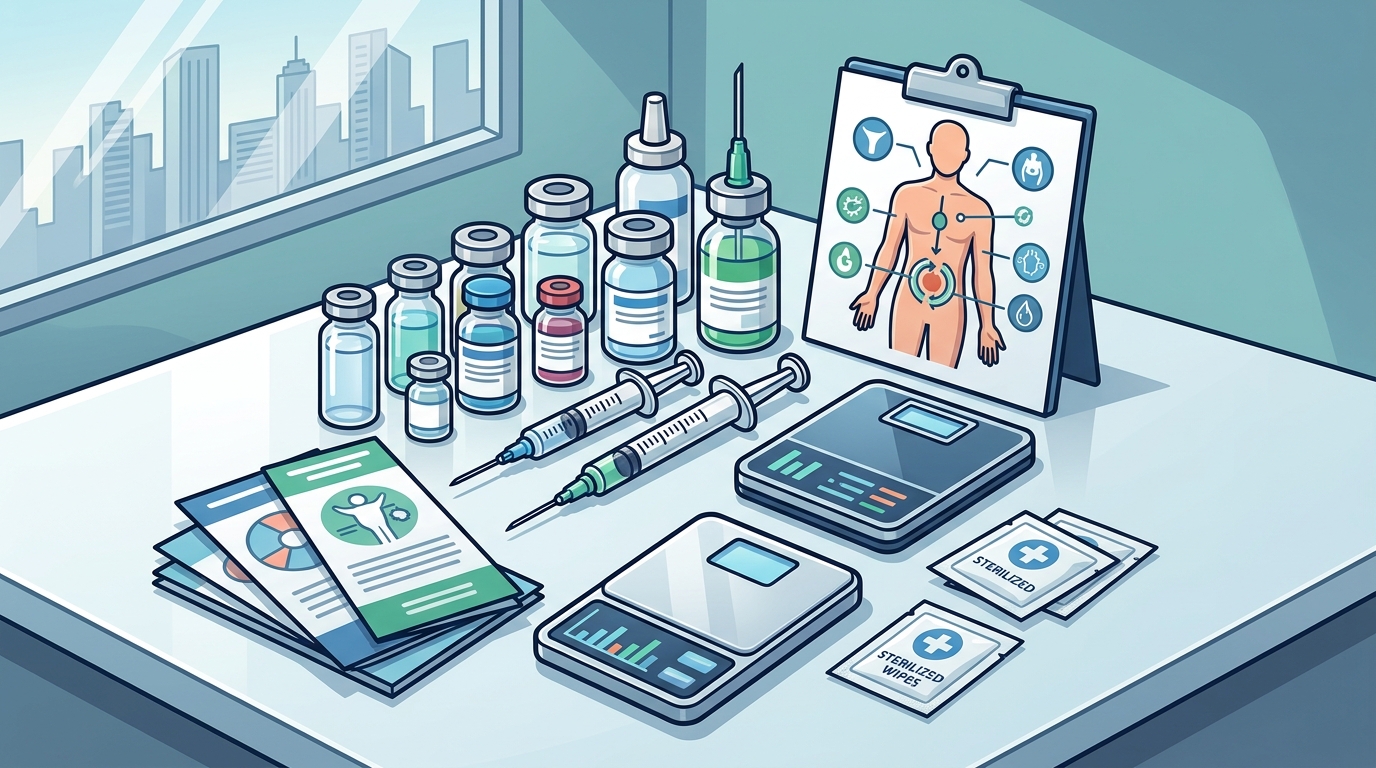
Advanced recovery modalities complement pharmacological interventions by optimizing cellular repair and circulation. Clinics integrate PEMF technology to stimulate mitochondrial ATP production and accelerate tissue regeneration. Low-impact compression therapy enhances lymphatic drainage and reduces post-exercise inflammation. These non-invasive tools support faster recovery between training sessions. Patients utilize infrared saunas and mild hyperbaric oxygen chambers to enhance detoxification pathways. The combined effect creates an optimal physiological environment for fat loss. These technologies require no downtime and integrate seamlessly into busy professional schedules. Regular utilization improves circulation and supports cardiovascular health.
Structured Membership and Longevity Frameworks
Structured membership programs provide predictable pricing and continuous access to multidisciplinary care. Research confirms that consistent engagement with clinical protocols drastically improves long-term adherence. Clinics offer tiered access models that include priority scheduling, discounted infusions, and exclusive diagnostic packages. Members receive quarterly health assessments and priority physician consultations. This framework eliminates financial barriers to consistent care. Patients benefit from bundled pricing that reduces per-session costs. The structured approach ensures accountability and maintains momentum throughout the transformation process. Long-term members typically achieve superior body composition outcomes.
Comparative Treatment Summary
| Modality | Primary Mechanism | Typical Duration | Best For |
|---|---|---|---|
| Clinical Weight Management | Biomarker-driven metabolic recalibration | 3 to 6 months | Comprehensive metabolic restoration |
| IV Metabolic Boosters | Direct cellular nutrient delivery | 4 to 8 weeks | High absorption requirements |
| Hormone Optimization | Endocrine system rebalancing | 6 to 12 months | Hormone-deficient metabolic slowdown |
| Recovery Technology | Cellular energy and circulation enhancement | Ongoing maintenance | Active lifestyle optimization |
Key Takeaways
- Clinical interventions improve long-term weight reduction success rates by nearly forty percent compared to lifestyle changes alone.
- Intravenous delivery achieves nearly ninety-five percent bioavailability compared to oral supplements.
- GLP-1 receptor agonists and growth hormone secretagogues work synergistically to preserve lean muscle mass.
- Hormonal imbalances directly suppress metabolic efficiency and promote fat retention.
- PEMF and compression therapy accelerate tissue regeneration without requiring downtime.
- Tiered membership programs reduce per-session costs and improve clinical adherence.
- Quarterly health assessments ensure continuous protocol adjustment and optimal outcomes.
Frequently Asked Questions
How long does a typical clinical weight management program last?
Most structured programs require three to six months to establish baseline metabolic recalibration. Physicians adjust protocols based on weekly biomarker feedback and body composition scans. Extended phases focus on maintenance and long-term physiological adaptation.
Are peptide therapies safe for long-term metabolic regulation?
Peptide therapies are considered safe when administered under direct physician supervision. Clinics monitor blood glucose markers and adjust dosages to prevent adverse reactions. Proper titration minimizes gastrointestinal side effects and ensures sustained efficacy.
What makes intravenous nutrition more effective than oral supplements?
Intravenous nutrition bypasses digestive degradation to deliver ninety-five percent bioavailability directly to cells. This direct vascular route ensures immediate cellular availability and maximizes metabolic impact. Patients experience faster energy restoration and improved fat oxidation rates.
Can hormone optimization reverse age-related metabolic slowdown?
Bioidentical hormone optimization restores declining endogenous hormone levels to physiological baselines. Restoring optimal thyroid and sex hormone ratios improves sleep architecture and reduces systemic inflammation. Long-term hormonal balance supports sustainable body composition changes.
Do recovery technologies like PEMF directly impact fat loss?
PEMF technology stimulates mitochondrial ATP production to accelerate cellular energy output. Enhanced cellular energy supports higher intensity training and faster recovery between sessions. These tools create an optimal physiological environment for sustained fat loss.
What is included in a standard clinical membership tier?
Standard membership tiers typically include priority scheduling, discounted infusion packages, and quarterly health assessments. Members receive direct physician access and customized protocol adjustments. This framework eliminates financial barriers to consistent care and improves adherence.
How quickly will I notice changes after starting IV therapy?
Patients typically report improved energy levels and mental clarity within the first two sessions. Metabolic markers and cellular hydration status improve rapidly due to direct vascular delivery. Full body composition changes become measurable within four to eight weeks.
Begin Your Clinical Transformation
Medical weight loss requires precision, consistency, and expert oversight. Clinics in the Brickell district offer comprehensive diagnostic frameworks and advanced therapeutic modalities to support your goals. Schedule your initial consultation to review your biomarkers and design a personalized intervention plan. Book your appointment today and take the first step toward sustainable metabolic optimization.